

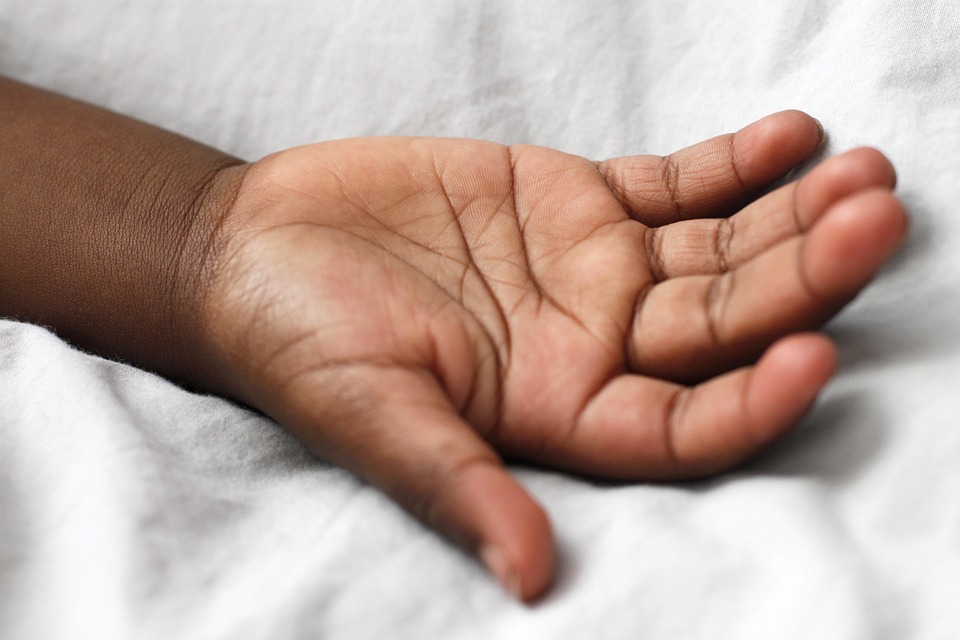
However, as pleasant as the cold weather is, it also has a different effect on the body. Low temperatures constrict blood vessels, causing hands, feet and ears to cool down quickly. It increases energy consumption to keep the body warm, which can lead to problems like dry skin, numbness in hands and feet, stiff joints and weakened immunity. Proper use of warm clothing, adequate hydration and a nutritious diet are essential to maintain a healthy body during winter.
When the temperature drops rapidly in winter, the internal temperature of our body also gradually decreases. That is why the cold is felt more, and the outer parts of the body, from the hands and feet to the ears, get cold first. We often wear socks on our feet and gloves on our hands on cold days, cover our ears with hats or scarves. Now, the question arises: Why do our ears, hands and feet feel cold in winter? Let us explore the factors responsible for these cold regions.
According to a report published in Harvard Health, cold winds or low temperatures cause blood vessels to constrict, reducing blood flow to the joints and limbs, causing the hands and feet to feel cold quickly. According to the Cleveland Clinic, low body fat, obesity and poor circulation are responsible for cold hands and feet. According to the Mayo Clinic, cold temperatures, slow blood flow and lack of exercise can make the outer parts of the body, such as hands, feet and ears, freeze.
In cold weather, the body directs blood to vital organs to conserve heat. This reduces blood circulation in the hands, feet and ears, due to which they feel cold quickly.
Less common is less fat around the hands, feet, ears, and nose. Fat helps retain body heat, so low fat intake makes a person feel cooler.
As it cools down, the body automatically constricts the blood vessels in these areas. This reduces blood flow and heat transfer, resulting in cold hands, feet and ears.
In winter, people generally reduce their activity, which reduces body activity. Decreased physical activity slows blood flow, causing cold hands and feet.
If someone has anemia, low blood pressure, or thyroid problems, they may feel more sensitive to cold.
What can be done to reduce cold hands and feet?
- Wear warm gloves and socks.
- Keep the body active. Walking will increase blood circulation and heat the body.
- Warm hands and feet with lukewarm water.
- Include dry fruits and hot food in your diet.
- Wear warm clothing.
December 06, 2025 3:22 PM IST
5 Reasons Hands, Feet and Ears Get Cold the Most in Winter Read Here Medical Tips to Avoid It